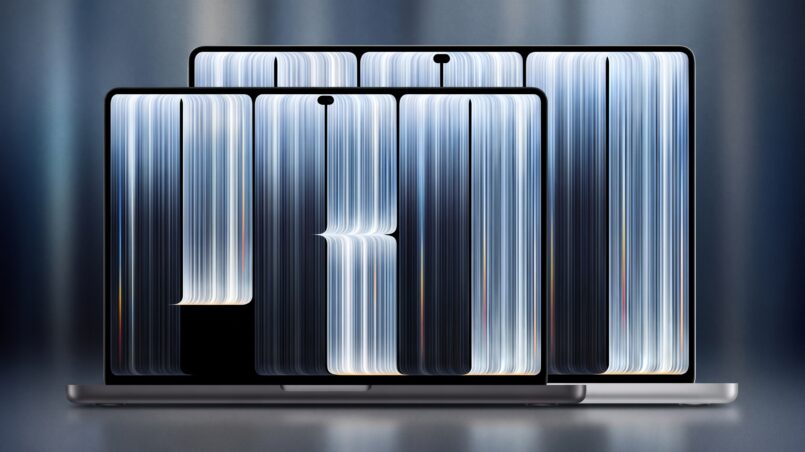
The OLED MacBook Pro is finally here, bringing touchscreen technology to Apple’s professional laptop lineup for the first time. Announced on October 28, 2026, the redesigned MacBook Pro introduces a tandem OLED display, Dynamic Island, touch input, and a lighter chassis. However, Apple has paired these major changes with its existing M5 Pro and M5 Max processors instead of the newer M6 chip.
The new laptop starts at $2,899 for the 14-inch model, while the 16-inch version begins at $3,399. Pre-orders opened on October 28, and shipping started on November 6, 2026. The MacBook Pro OLED touchscreen represents a significant change in Apple’s laptop strategy, especially after Steve Jobs previously criticized touchscreen laptops as ergonomically uncomfortable.
This guide covers the MacBook Pro OLED display, pricing, release date, design changes, touchscreen features, processor comparison, and potential drawbacks. It also explains whether Apple’s first touchscreen MacBook Pro is worth its premium price.
Touchscreen MacBook Pro Price and Release Date
Apple announced its new touchscreen MacBook Pro during its October 28 product launch. The company introduced 14-inch and 16-inch models, with pre-orders beginning on the announcement date and customer deliveries starting November 6, 2026.
The MacBook Pro OLED touchscreen price places it above the standard M6 MacBook Pro. Buyers are paying for a new display technology and a different way to interact with macOS rather than a completely new processor generation.
OLED MacBook Pro Pricing
| Configuration | Starting Price |
|---|---|
| 14-inch OLED MacBook Pro with M5 Pro | $2,899 |
| 16-inch OLED MacBook Pro with M5 Pro | $3,399 |
| 14-inch OLED MacBook Pro with M5 Max | $4,449* |
| 16-inch OLED MacBook Pro with M5 Max | $4,799 |
| Fully configured 16-inch model | Over $14,000 |
The M5 Max starting price for the 14-inch model is reported by Hardware Busters. Apple’s official announcement lists $4,499.
The fully configured 16-inch model can exceed $14,000 when buyers select maximum memory and storage configurations, including 128GB of memory and 16TB of storage. The final price depends on the selected hardware and display options.
For the official launch details, check Apple’s MacBook Pro announcement. Additional launch coverage is available from Tom’s Hardware and Hardware Busters.
Touchscreen MacBook Pro Specs at a Glance
The new MacBook Pro lineup combines tandem OLED technology with Apple’s M5 Pro and M5 Max processors. Both display sizes offer touch input, while the standard 14-inch M6 MacBook Pro retains its Liquid Retina XDR panel without touchscreen functionality.
| Specification | 14-inch OLED | 16-inch OLED | 14-inch M6 |
|---|---|---|---|
| Chip | M5 Pro or M5 Max | M5 Pro or M5 Max | M6 |
| Display | 14.2-inch tandem OLED, touch | 16.3-inch tandem OLED, touch | Liquid Retina XDR |
| Peak brightness | Up to 2,000 nits | Up to 2,000 nits | Different panel technology |
| Contrast ratio | 10,000,000:1 | 10,000,000:1 | 1,000,000:1 |
| Refresh rate | 10–120Hz ProMotion | 10–120Hz ProMotion | ProMotion |
| Weight | About 3 pounds | About 4 pounds | Not compared here |
| Memory | Up to 128GB | Up to 128GB | Up to 32GB |
| Storage | Up to 16TB | Up to 16TB | Not compared here |
| Starting price | $2,899 | $3,399 | $1,999 |
| Shipping | November 6, 2026 | November 6, 2026 | November 6, 2026 |
The specifications above are based on the launch information and coverage from Tom’s Hardware, Hardware Busters, and T3’s launch coverage.
What Makes the MacBook Pro OLED Special?
The biggest upgrade is the display. Apple calls its new panel PROLED XDR, built using tandem OLED technology. This is the first OLED display in a Mac, and it introduces a major visual upgrade over the previous mini-LED generation.
The MacBook Pro OLED display reaches up to 2,000 nits of peak brightness and delivers a reported contrast ratio of 10,000,000:1. Its variable refresh rate ranges from 10Hz to 120Hz, allowing smooth scrolling and responsive animations while adjusting refresh rate based on activity.
OLED pixels can produce deep blacks by turning off individually. This helps improve contrast in dark scenes, creative projects, and video playback. For photographers and video editors, the combination of contrast and color performance could make the display particularly attractive.
Apple also redesigned the laptop’s appearance. The traditional notch is replaced by Dynamic Island, which houses the camera and provides space for live information and interactions. The Apple logo on the lid now lights up, returning a familiar design element from older Mac notebooks.
Both models are lighter than their predecessors. The 14-inch version weighs about three pounds, while the 16-inch version weighs approximately four pounds. Apple also retains a generous selection of ports, including three Thunderbolt 5 ports, HDMI, SDXC, a headphone jack, and MagSafe.
Audio improvements include new tweeters and a claimed 50% deeper bass. Fast charging reportedly reaches 50% in 30 minutes, although buyers should verify the charger and configuration details before purchase.
How Touch Works on the First Touchscreen Mac
The MacBook Pro touch display introduces a new interaction method without eliminating the keyboard or trackpad. Users can scroll through webpages with a swipe, pinch to zoom on images, drag presentation slides, and interact directly with supported on-screen controls.
Apple’s own applications support touch from launch. According to Tom’s Hardware, several third-party applications also work with touch, including Notion, Canva, Zoom, Microsoft Office, Lightroom, DaVinci Resolve, and Blender.
This could be useful for creative professionals. A photographer may find it easier to zoom into an image or adjust a slider directly on the display. Video editors could benefit from touch-based timeline interactions in compatible software. Designers may also appreciate direct interaction with canvas elements.
Apple reportedly redesigned the hinge to reduce screen wobble during touch interactions. This is an important improvement because tapping a laptop display can otherwise cause the screen to move.
However, questions remain about how deeply touch is integrated into macOS. Apple Pencil support has not been confirmed in the source material, and detailed demonstrations of every touch workflow are still necessary.
For users interested in creative software, our DaVinci Resolve AI coverage provides additional context on modern editing workflows.
The M5 Chip Problem
The most unusual decision in the new OLED MacBook Pro is its processor selection. The touchscreen models use M5 Pro and M5 Max chips that were introduced in March 2026. Meanwhile, Apple’s more affordable 14-inch MacBook Pro uses the newer M6 chip and starts at $1,999.
This creates an unusual situation in which the premium OLED model costs $900 more than the entry-level M6 MacBook Pro while using an older chip generation.
The difference is not necessarily a simple performance downgrade. Hardware Busters argues that the M5 Max remains strong for heavy multi-core and GPU workloads. Professionals who need powerful graphics, extensive memory, or demanding creative performance may still find the M5 Max suitable.
The question is why Apple used M5 chips in the OLED MacBook Pro instead of introducing M6 Pro and M6 Max processors. One possible explanation is that the newer professional chips were not ready for this launch, but that remains speculation rather than a confirmed Apple statement.
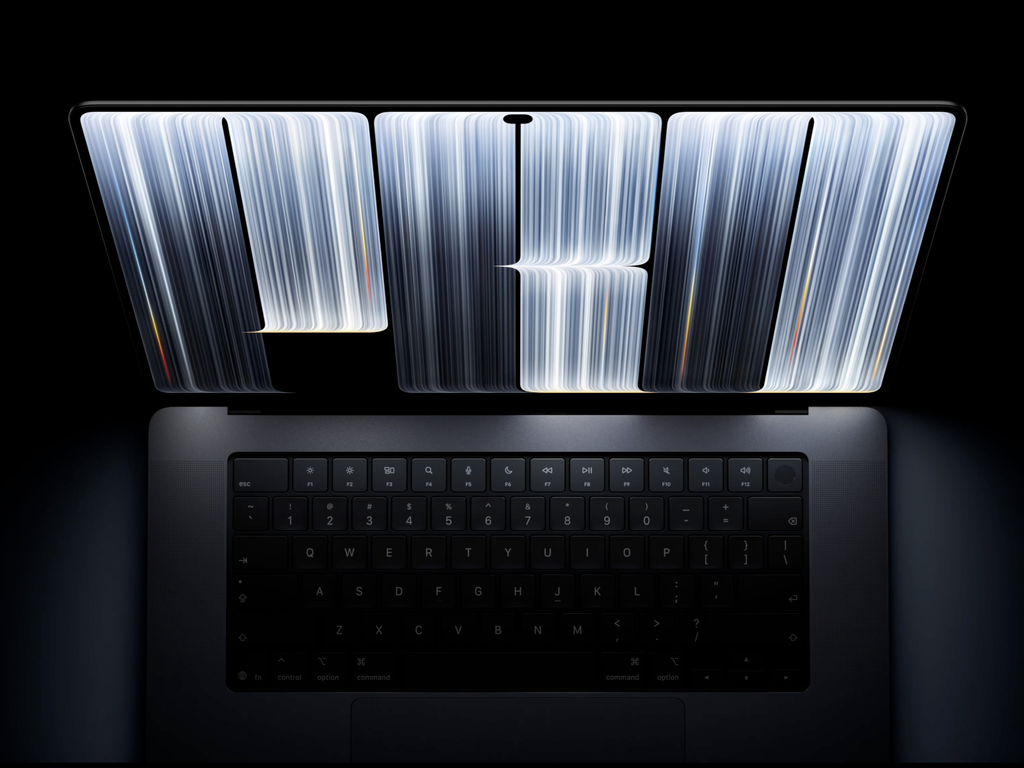
The MacBook Pro M5 vs M6 comparison therefore depends on the workload. Buyers should not assume that the newer M6 automatically outperforms every M5 Pro or M5 Max configuration. The OLED model’s display and touch features are its primary selling points.
Hardware Busters also reports that the mini-LED Pro models have been discontinued. This information has not been independently confirmed through Apple’s own product pages in the original source, so buyers should verify availability before making a purchase.
Strengths and Weaknesses
Strengths
- First Mac with an OLED touchscreen
- Tandem OLED display with up to 2,000 nits brightness
- 10,000,000:1 contrast ratio
- Dynamic Island replaces the traditional notch
- Lighter design than previous models
- Redesigned hinge for touch interactions
- Three Thunderbolt 5 ports, HDMI, and SDXC
- Up to 128GB of memory and 16TB of storage
Weaknesses
- Starting price is $900 higher than the M6 model
- Uses M5 Pro and M5 Max processors
- Long-term OLED burn-in behavior is not yet established
- OLED battery performance needs real-world evaluation
- macOS touch functionality requires more detailed testing
- Apple Pencil support remains unconfirmed
- Nano-texture glass adds $150
The Risks Apple Must Manage
OLED technology offers excellent contrast, but long-term durability is a concern for laptop users. MacBook displays often show static interface elements such as the menu bar and Dock for extended periods. This creates a potential burn-in concern.
Tandem OLED technology may help improve brightness and distribute the workload, but only extended real-world usage can demonstrate how well the panel handles long sessions. Buyers who use their MacBook for many hours every day should pay attention to long-term reviews.
Battery life is another important question. The 24-hour battery figure mentioned for the M6 MacBook Pro uses the older display technology. It should not automatically be treated as a confirmed real-world endurance result for the OLED models.
OLED efficiency can also vary based on screen content. Dark content may benefit from the technology, while bright documents and white interfaces can require more power.
The final concern is price. At $2,899, the OLED MacBook Pro is an expensive laptop. Buyers are paying a premium for display technology, touch input, and a redesigned experience rather than a completely new processor generation.
This premium also raises a broader question about how much value a new display adds to a professional laptop. Our Googlebook review coverage explores a similar discussion around premium devices and their value proposition.
Who Should Buy the MacBook Pro OLED?
The OLED MacBook Pro is most attractive to photographers, video editors, designers, and creative professionals who can benefit from its display.
Photographers may appreciate the contrast and color performance when retouching images. Video editors may find the panel useful for reviewing footage and grading content. Designers could benefit from direct touch interactions when working with supported creative applications.
Professionals who need high memory capacity may also consider the M5 Max configurations, particularly if their workloads require up to 128GB of memory.
Developers, office users, and general productivity buyers should compare the OLED model with the cheaper M6 MacBook Pro. The M6 model costs $900 less at its starting price and offers a newer processor.
If touch input is not essential, the standard model may provide better value. Buyers should also consider whether the OLED display and touch features are worth the additional cost for their specific workflow.
For more technology comparisons, explore our DJI Osmo 360 II vs Insta360 X6 coverage and browse the CircuitVerdict cameras category.
Final Verdict: Bold, Beautiful and Slightly Backwards
The OLED MacBook Pro is one of Apple’s most significant laptop changes in years. It finally brings touchscreen functionality to the Mac, introduces tandem OLED technology, and updates the design with Dynamic Island and a lighter chassis.
The display appears to be the strongest reason to consider this new MacBook Pro. Its high brightness, deep contrast, and touch capability could make it a compelling tool for creative professionals.
However, the use of M5 Pro and M5 Max chips alongside the newer M6 MacBook Pro creates a confusing lineup. The higher starting price also makes the OLED model difficult to recommend to users who do not specifically need its display features.
Questions about OLED battery life, burn-in, and touch integration in macOS remain important. Once more long-term testing becomes available, the buying recommendation may become clearer.
For now, the OLED MacBook Pro is a bold redesign with an impressive display, but its value depends heavily on whether touchscreen functionality and OLED quality justify the premium.
Touchscreen MacBook Pro FAQ
How much does the OLED MacBook Pro cost?
The 14-inch OLED MacBook Pro with M5 Pro starts at $2,899, while the 16-inch version starts at $3,399. M5 Max configurations cost more.
When is the MacBook Pro OLED release date?
Apple opened pre-orders on October 28, 2026. Shipping and retail availability began on November 6, 2026.
What chips does the OLED MacBook Pro use?
The touchscreen OLED models use Apple’s M5 Pro or M5 Max processors. The less expensive 14-inch MacBook Pro uses the newer M6 chip.
Is the OLED MacBook Pro the first touchscreen Mac?
Yes. Apple’s new MacBook Pro is the first Mac with touchscreen functionality and the first Mac to feature an OLED display.
Does the OLED MacBook Pro replace the mini-LED model?
Hardware Busters reports that mini-LED Pro models have been discontinued. However, the original article could not confirm this through Apple’s own product pages, so availability should be checked before purchase.
What are the main disadvantages of the OLED MacBook Pro?
The main concerns include its high starting price, M5 processor generation, uncertain long-term OLED burn-in behavior, battery life questions, and limited confirmed details about touch integration in macOS.
Touchscreen MacBook Pro Links and Reviews
For readers who want to explore the announcement and related reporting, the following sources provide additional coverage:
- Apple: MacBook Pro official announcement
- Apple Newsroom: October 28 MacBook Pro launch
- 9to5Mac: Apple announces all-new touchscreen MacBook Pro
- Tom’s Hardware: MacBook Pro touchscreen and OLED pricing
- Hardware Busters: OLED MacBook Pro with M5 chips
- Tom’s Guide: MacBook Pro PROLED XDR review
- T3: Apple Pro and Tell launch coverage
- MacRumors: Apple opens pre-orders for new products
- The Mac Observer: Touchscreen MacBook Pro price and release date
- CNBC: Apple brings touch to the Mac
For more technology news, reviews, and comparisons, visit CircuitVerdict.
Check our other reviews here.