
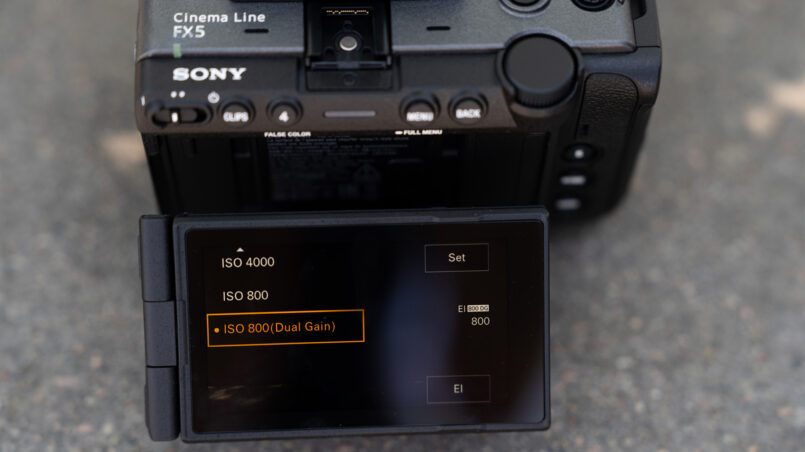
Open gate, internal RAW, three base ISOs, all real, all shipping in August 2026. The 120p headline that sold the keynote lands in firmware v2.0, scheduled for August 2027. This is not a one-off. On paper, the FX5 is the camera FX3 owners have been asking Sony for since 2021. A new 16.6MP stacked full-frame sensor, a BIONZ XR2 chip with a dedicated AI unit, three base ISOs at 800, 4000 and 12800, and, for the first time below the BURANO, open gate recording with internal 16-bit X-OCN RAW. No external recorder, no compromises, a genuine mini-VENICE for $4,999. Sony earned every headline it got out of the July 22 announcement. Then you read the fine print. The 5K120 open gate mode that...
Category - Sony
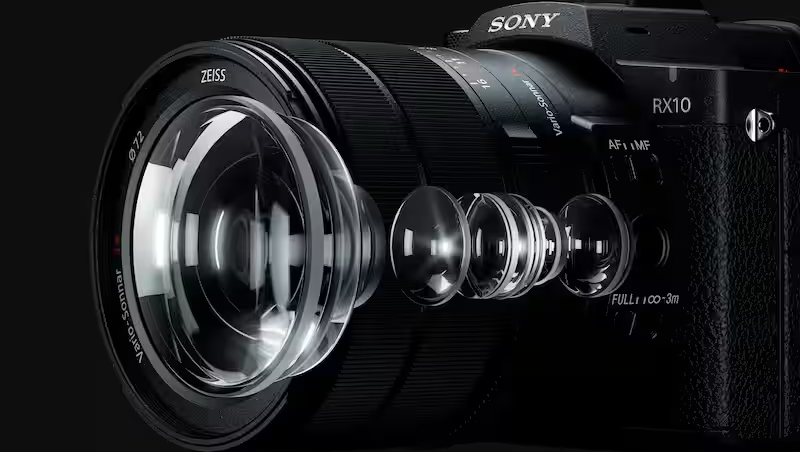
Sony announced the RX10 V on July 9, 2026, nine years after the Mark IV last updated the line. In that time, smartphones got smarter, full-frame mirrorless cameras got cheaper, and computing got faster. However, the RX10 V arrived with the same 20.1MP 1-inch stacked Exmor RS sensor and ZEISS Vario-Sonnar T* 24-600mm f/2.4-4 lens from 2017. Those are unchanged. The new processor, AI autofocus, and video upgrades are meaningful. The $2,299 price tag, though, invites a question that Sony probably hoped you wouldn’t ask: what exactly are you paying for at this point? What a Bridge Camera Actually Is Before getting into the RX10 V specifically, it helps to understand what a bridge...

Nobody saw this one coming. On June 25, 2026, Adobe signed a definitive agreement to acquire Topaz Labs. The Dallas-based company built some of the most trusted AI enhancement tools in professional photography and video. The reaction across the creative community landed somewhere between disbelief and resignation. Topaz was, for a significant number of professionals, the non-Adobe option. The escape hatch. The tool you kept in your workflow precisely because it was not part of the Adobe ecosystem. That escape hatch just got absorbed. What Adobe Is Actually Buying Topaz Labs is not a small plugin shop. Founded in 2005 by Albert Yang and later led by his son Eric, the company reached...
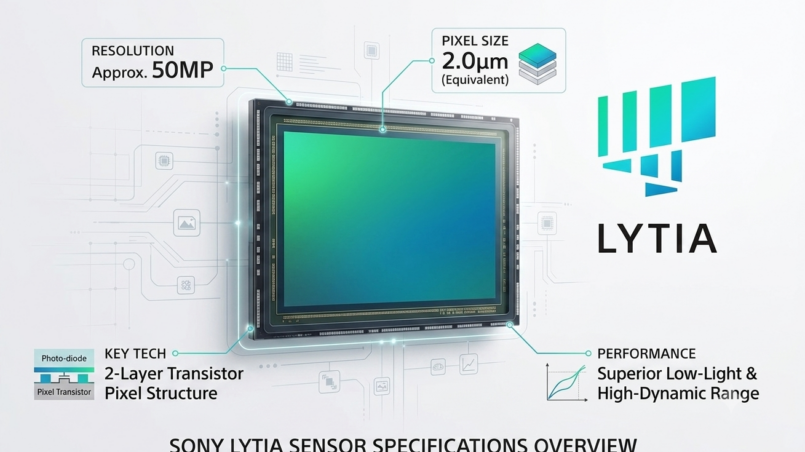
Sony Semiconductor Solutions announced the LYTIA L910 on June 17, 2026, marking the first sensor in Sony’s LYTIA mobile lineup to use LOFIC architecture. Specifically, it is a 50-megapixel stacked CMOS image sensor built for smartphones. Mass production begins this summer, with flagship smartphones carrying the L910 expected in Q4 2026. The headline figure is 100 dB of dynamic range from a single exposure, and that number needs some unpacking to understand why it matters. The Problem With How Phone HDR Works Today Every modern flagship phone shoots HDR video and photos. Most of them reach 100 dB of dynamic range too. The difference, however, is how they get there. Current...

Sony launched the FE 100-400mm f/4.5 GM OSS on May 13, 2026, alongside the Alpha 7R VI. Three things set it apart from its 2017 predecessor. It has a constant f/4.5 aperture across the full zoom range. It uses an internal zoom design that does not extend in length. And it now works with both Sony teleconverters. Together, these changes transform a good telephoto zoom into a genuinely great one. The price reflects that: $4,299, which is $1,500 more than the older model. The question is whether that premium is worth it. The Three Upgrades That Actually Matter The constant aperture is the biggest change. The predecessor closes down to f/5.6 at 400mm. This one stays at f/4.5 throughout...
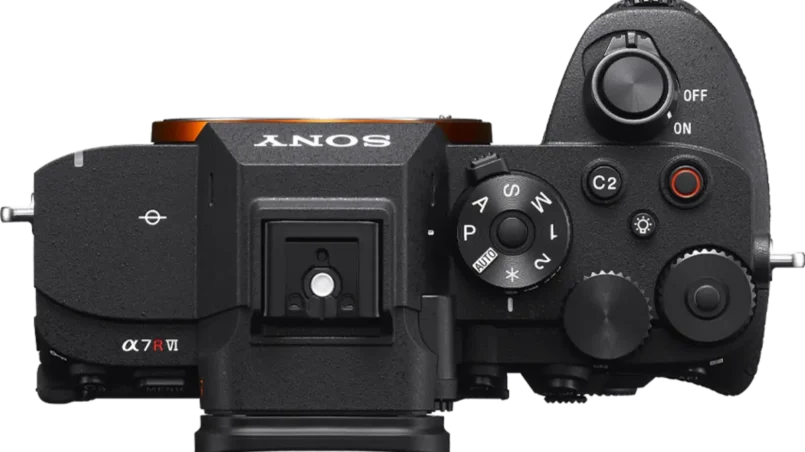
Sony just dropped a camera that made a lot of Alpha 1 II owners do a double-take. The new Alpha 7R VI arrives with a 66.8MP fully-stacked sensor, 30fps blackout-free shooting, the same BIONZ XR2 processor as the flagship, and a price tag of $4,499, which is two thousand dollars less than the Alpha 1 II. On a spec sheet, it reads like a quiet assassination. In reality, it’s something far more interesting: a camera that knows exactly what it is, and what it isn’t. Wait — 66.8MP at 30fps? Let’s sit with that for a second, because it genuinely deserves the reaction it gets. The a7R V, the camera this replaces, maxed out at 10fps in electronic shutter mode with its...