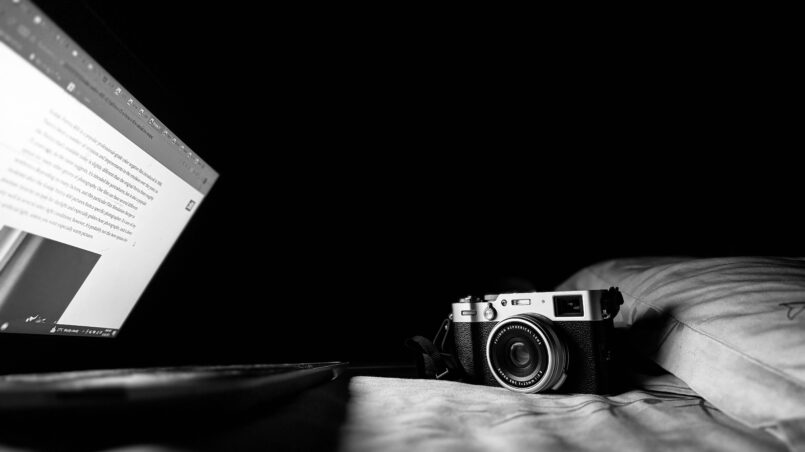
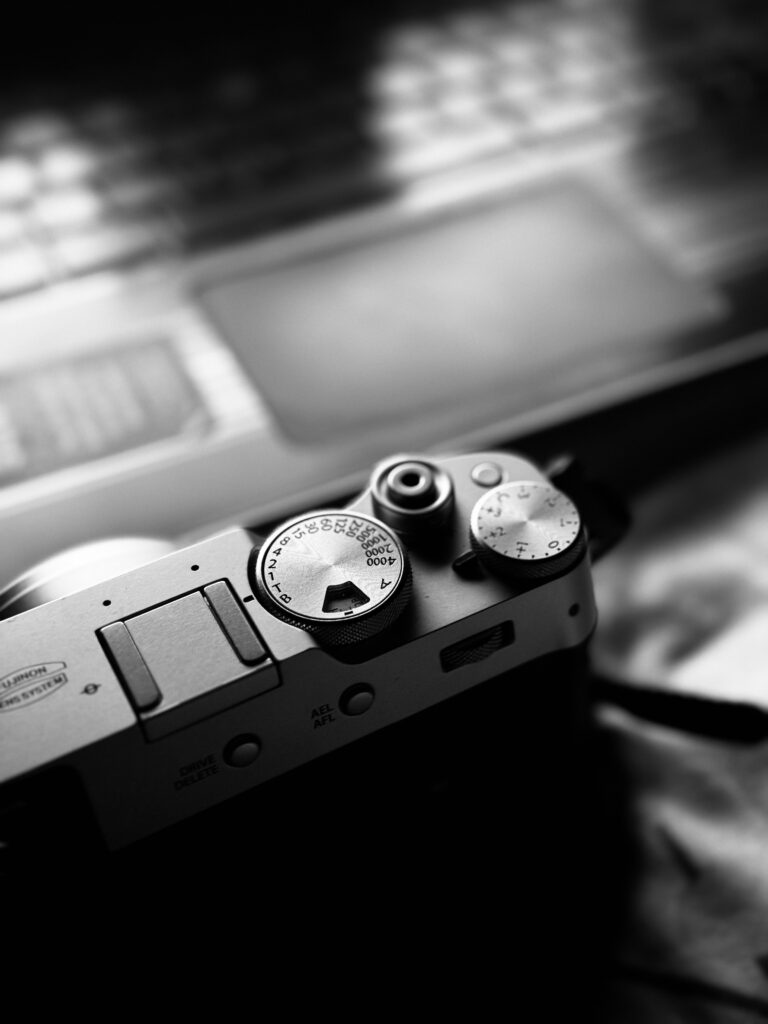
I bought the Fujifilm X100VI in July 2026, expecting it to become a fun everyday companion to my Canon EOS R6. After a year and more than 17,000 photographs, it has become much more important than I originally expected. It has changed how often I take my camera out and, more importantly, how much I enjoy photography.
Some cameras are tools. Others become part of your daily routine. The Fujifilm X100VI belongs firmly in the second category. This is not a quick review based on a weekend with a loaner camera. It is a long-term look at daily shooting, real-world image quality, film simulation recipes, and the small details that only become obvious after extensive use.
The 40.2-megapixel APS-C sensor, fixed 23mm f/2 lens, in-body image stabilization, and hybrid viewfinder make an impressive combination. But specifications only tell part of the story. After thousands of frames, the biggest reason I continue reaching for this camera is how naturally it fits into everyday life.
Here is what actually held up.
Compact Camera That Doesn’t Feel Like A Compromise
The Fujifilm X100VI combines a 40.2-megapixel APS-C X-Trans CMOS 5 HR sensor with a compact, classic camera design. Its fixed 23mm f/2 lens provides a 35mm-equivalent field of view, making it suitable for street photography, travel, portraits, and everyday moments.
That combination is one of the camera’s biggest strengths. You get a high-resolution sensor without carrying a large interchangeable-lens system. The body is compact enough to take along on ordinary outings, yet the image quality feels far from entry-level.
The camera also offers impressive shooting speed. Its electronic shutter can reach 20 frames per second with a crop, while its mechanical shutter supports up to 11 frames per second. That gives the X100VI more flexibility than its retro appearance might suggest.
During everyday use, the sensor and processor handled a wide variety of situations. Street scenes, weddings, quiet mornings, and chaotic family gatherings all provided different challenges. The camera consistently delivered the image quality I wanted.
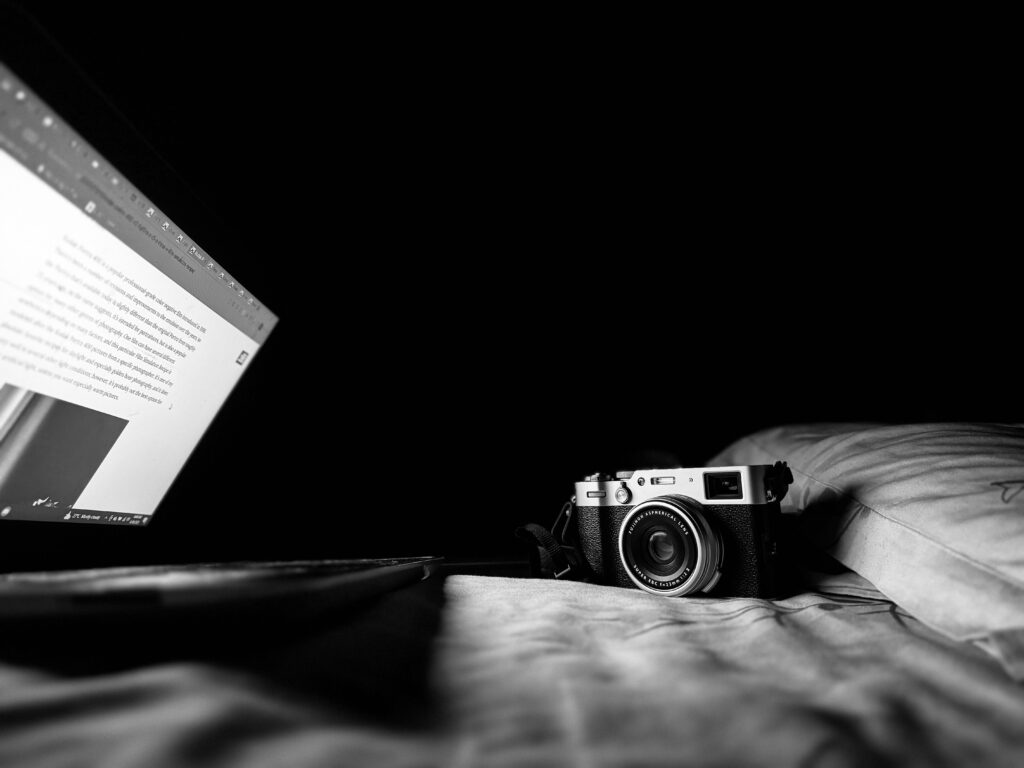
That reliability matters more than any single specification. A camera can look impressive on paper, but the real test is whether you trust it enough to take it everywhere.
The X100VI has earned that trust. Its fixed lens encourages a more deliberate approach to composition, while the compact design makes it easier to capture spontaneous moments. It does not feel like a smaller camera that forces you to accept poor image quality. It feels like a complete photography system designed around portability.
For a wider look at today’s photography hardware, explore our best cameras of 2026 guide.
Film Simulations
Fujifilm’s film simulations are one of the biggest reasons people choose the X100VI. The camera includes a selection of built-in color profiles inspired by traditional photographic film. These simulations give JPEG images a distinctive look without requiring extensive editing.
However, the real creative potential appears when you start building custom film simulation recipes.
You can adjust grain, white balance, highlight and shadow settings, color, sharpness, and other image characteristics. These controls allow you to create a look that matches your personal style instead of relying on a standard preset.
Want stronger contrast and punchier colors? You can create that look. Prefer softer portraits with warmer tones? You can adjust the settings accordingly. The flexibility makes the camera enjoyable for photographers who like experimenting with color.
It also makes straight-out-of-camera photography more practical. Once you find a recipe that works for a particular environment, you can spend less time editing and more time shooting.
Capturing the Light: Classic Cuban Neg
One of my regular choices is Classic Cuban Neg, created by Osan Bilgi. It works beautifully for moody, saturated scenes and gives photographs a distinctive character.

Film Simulation: Classic Negative
Dynamic Range: DR400
Grain Effect: Strong, Large
Color Chrome Effect: Strong
Color Chrome FX Blue: Strong
White Balance: Auto, -5 Blue and +4 Red
Highlight: -2
Shadow: +1
Color: +4
Sharpness: 0
High ISO Noise Reduction: -4
Clarity: -4
ISO: Auto, ISO 500–6400
I still make adjustments in Lightroom when a photograph needs additional work, but this recipe gives me a strong starting point. It is also an easy choice when I want attractive results without spending time changing settings.

A Classic Portrait: Reggie’s Portra
Reggie’s Portra, created by Reggie Ballesteros, has become my most-used recipe. It produces the kind of color rendering I enjoy for portraits and everyday photography.
Classic Chrome
Dynamic Range: DR-Auto
Highlight: -1
Shadow: -1
Color: +2
Noise Reduction: -4
Sharpness: –2
Clarity: 0
Grain Effect: Weak, Small
Color Chrome Effect: Strong
Color Chrome Effect Blue: Weak
White Balance: Auto, +2 Red & -4 Blue
ISO: Auto, up to ISO 6400
Further Edited in Lightroom

Cinestill 800T
City at Night: CineStill 800T
Night photography requires a different approach. Artificial lighting, neon signs, and mixed color temperatures can make it difficult to get the look you want straight out of camera.
The CineStill 800T-inspired setup uses Fujifilm’s Eterna simulation to create a cinematic appearance.
Recipe settings:
Film Simulation: Eterna
Dynamic Range: DR400
Grain Effect: Strong, Large
Color Chrome Effect: Strong
Color Chrome FX Blue: Weak
White Balance: Fluorescent 3, -6 Red and -4 Blue
Highlight: 0
Shadow: +2
Color: +4
Sharpness: -3
High ISO Noise Reduction: -4
Clarity: -5
ISO: Auto, up to ISO 6400
These settings can produce an atmospheric look for city scenes after dark. The results will naturally depend on available light and exposure, but experimenting with different recipes is part of the fun.
Finding More Fujifilm Film Recipes
The film simulation community adds another layer of creativity. Websites such as Fuji X Weekly provide recipes inspired by different film stocks and photographic styles.
You can explore hundreds of combinations, including black-and-white looks, cinematic colors, warm portraits, and nostalgic street photography styles.
Over the past year, four recipes have become my regular choices: Classic Cuban Neg, Kodak Tri-X 400, Pacific Blue, and Reggie’s Portra.
I use the first three depending on the atmosphere I want. For quick everyday photographs, I usually return to Reggie’s Portra. It has become my default choice because it consistently delivers the look I enjoy.
That is what makes Fujifilm’s film simulation system so rewarding. You are not simply choosing a filter. You are developing a personal photographic style.
These settings can produce an atmospheric look for city scenes after dark. The results will naturally depend on available light and exposure, but experimenting with different recipes is part of the fun.
Finding More Fujifilm Film Recipes
The film simulation community adds another layer of creativity. Websites such as Fuji X Weekly provide recipes inspired by different film stocks and photographic styles.
You can explore hundreds of combinations, including black-and-white looks, cinematic colors, warm portraits, and nostalgic street photography styles.
Over the past year, four recipes have become my regular choices: Classic Cuban Neg, Kodak Tri-X 400, Pacific Blue, and Reggie’s Portra.
I use the first three depending on the atmosphere I want. For quick everyday photographs, I usually return to Reggie’s Portra. It has become my default choice because it consistently delivers the look I enjoy.
That is what makes Fujifilm’s film simulation system so rewarding. You are not simply choosing a filter. You are developing a personal photographic style..
The Lens, The Stabilization, And The Built-In ND Filter
The X100VI’s fixed 23mm f/2 lens is central to its personality. It provides a 35mm-equivalent field of view, which is versatile enough for many everyday photography situations.
The focal length offers a useful balance. It captures enough of the surrounding environment for street and travel photography while remaining suitable for portraits and closer compositions.
Because the lens is permanently attached, there is no need to choose between multiple lenses before leaving home. You learn the field of view, understand its strengths, and gradually become more comfortable composing with it.
The camera also includes in-body image stabilization rated up to six stops. This helps reduce camera shake when shooting handheld, particularly in lower-light situations.
It does not freeze moving subjects, and it cannot replace good shooting technique. However, it provides additional flexibility when photographing stationary scenes at slower shutter speeds.
Another useful feature is the built-in four-stop neutral density filter. In bright conditions, it reduces the amount of light reaching the sensor. This makes it easier to use a wider aperture without relying entirely on faster shutter speeds.

0.4 sec
f/2
ISO 1000
That is especially helpful when shooting at f/2 in daylight. You can maintain a shallow depth of field without constantly worrying about overexposure.
Together, the fixed lens, stabilization, and ND filter make the camera feel remarkably self-contained. Instead of spending time managing equipment, you can concentrate on the scene in front of you.
The Hybrid Viewfinder You Never Get Tired Of
The Advanced Hybrid Viewfinder is one of the most distinctive features of the Fujifilm X100VI.
A lever on the front of the camera allows you to switch between an optical viewfinder and an electronic viewfinder. Both options offer different advantages, and having them in one compact body makes the shooting experience more flexible.
The optical viewfinder is particularly enjoyable in bright conditions. It provides a direct view of the scene without the electronic display experience. For street photography and fast-moving situations, that can feel natural and immediate.
The electronic viewfinder becomes more useful when you need precise exposure information, focus peaking, or a preview of how the final image will look. It is also helpful when composing in difficult lighting conditions.
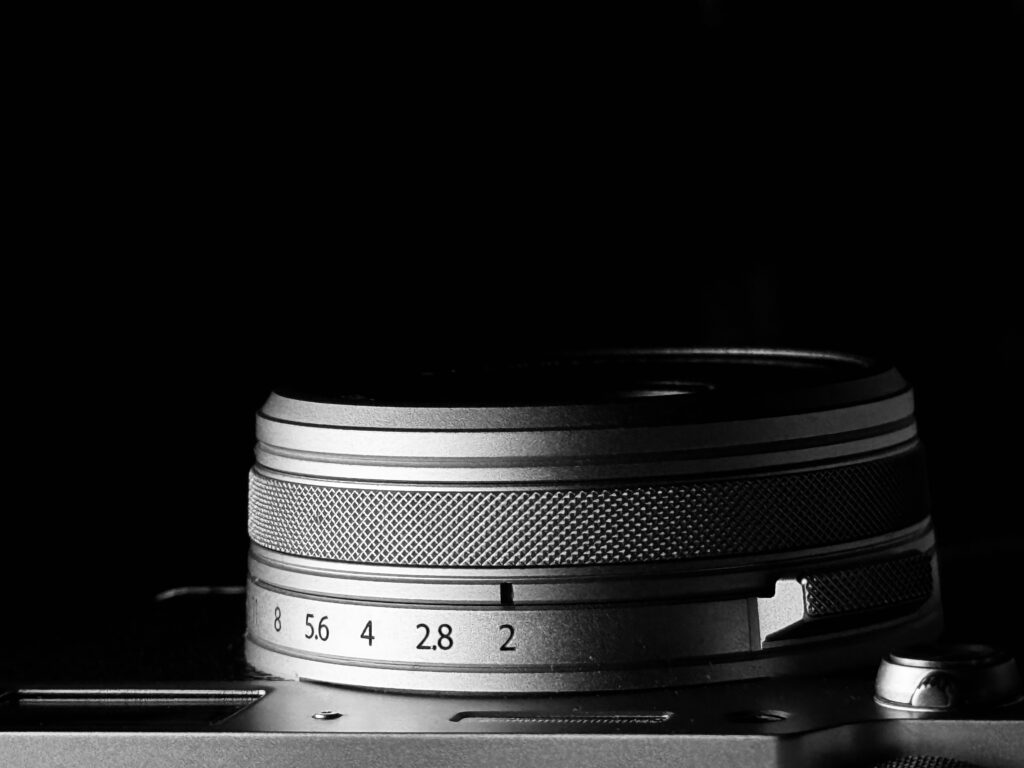
Neither option feels like an unnecessary extra. They serve different purposes, and switching between them becomes part of the shooting routine.
The rear display and viewfinder also make it easier to review compositions and adjust settings without changing your overall shooting approach.
Fujifilm X100VI Battery Life
Battery life is another important consideration for a compact everyday camera.
Fujifilm rates the X100VI for approximately 310 frames per charge in normal EVF mode and around 450 frames in OVF mode. Actual results depend on shooting habits, display use, autofocus settings, and operating conditions.
In my experience, carrying a spare battery is the easiest way to avoid worrying about power during a full day of photography.
The battery is not class-leading, but it has never been the main reason I missed an important photograph. For a camera designed around portability and everyday use, that is an acceptable compromise.
You can check Fujifilm’s official X100VI specifications for detailed sensor, viewfinder, battery, and image-format information.
The Small Frictions Worth Knowing About
No camera is perfect, and long-term ownership reveals small problems that a short review might overlook.
The X100VI’s most important practical limitation is its weather-resistance setup. The camera does not provide complete weather resistance out of the box. You need the optional AR-X100 adapter ring and PRF-49 protective filter to improve protection against dust and moisture.
That adds an extra purchase to an already expensive camera. It is easy to overlook when buying the body, but it becomes important if you regularly shoot outdoors or travel in unpredictable weather.
Fujifilm explains the required accessory combination on its official weather-resistance page.
The single SD card slot is another limitation. It supports UHS-I cards, which are suitable for many everyday still-photography situations. However, photographers who depend on faster buffer clearing or more demanding workflows may prefer a camera with a faster card interface and dual slots.
The menu system also takes time to learn. Fujifilm has improved its interface over older generations, but the range of customization options can still feel overwhelming at first.
Spending time configuring the Q menu, custom buttons, and film simulation slots makes a real difference. Once everything is arranged around your shooting habits, the camera becomes much easier to operate.
None of these issues is a dealbreaker for me. After thousands of photographs, they feel more like ownership notes than serious complaints. Still, an honest Fujifilm X100VI review should include them.
Why This Beats My Canon R6 For Personal Work
I still use my Canon EOS R6 for professional photography jobs. It remains the right tool when I need a more flexible camera system, interchangeable lenses, and equipment suited to paid work.
But personal photography is different.
When I go for a walk or spend time with family, I do not always want to carry a large camera bag. Heavy equipment can turn a casual outing into a planned photography session. Sometimes, that makes the experience feel more like work than enjoyment.
The X100VI changes that feeling. It is easier to carry, quick to take out, and simple to use once you become familiar with its controls.
That convenience has a direct effect on how often I take photographs. Instead of waiting for a specific assignment or planned shoot, I can capture ordinary moments whenever something catches my attention.
I have tried several compact everyday cameras from different brands over the years. The main reason was that the X100VI initially felt too expensive to justify.
However, those alternatives eventually taught me something important: technical capability does not always create an enjoyable shooting experience.
A camera can offer impressive specifications and still make photography feel like a task. The X100VI is the first compact camera that consistently encourages me to take it everywhere.
For readers comparing different camera systems, our Sony A7R VI vs Alpha 1 II comparison explores a very different approach to professional camera performance. You can also browse our camera coverage for more reviews and buying advice.
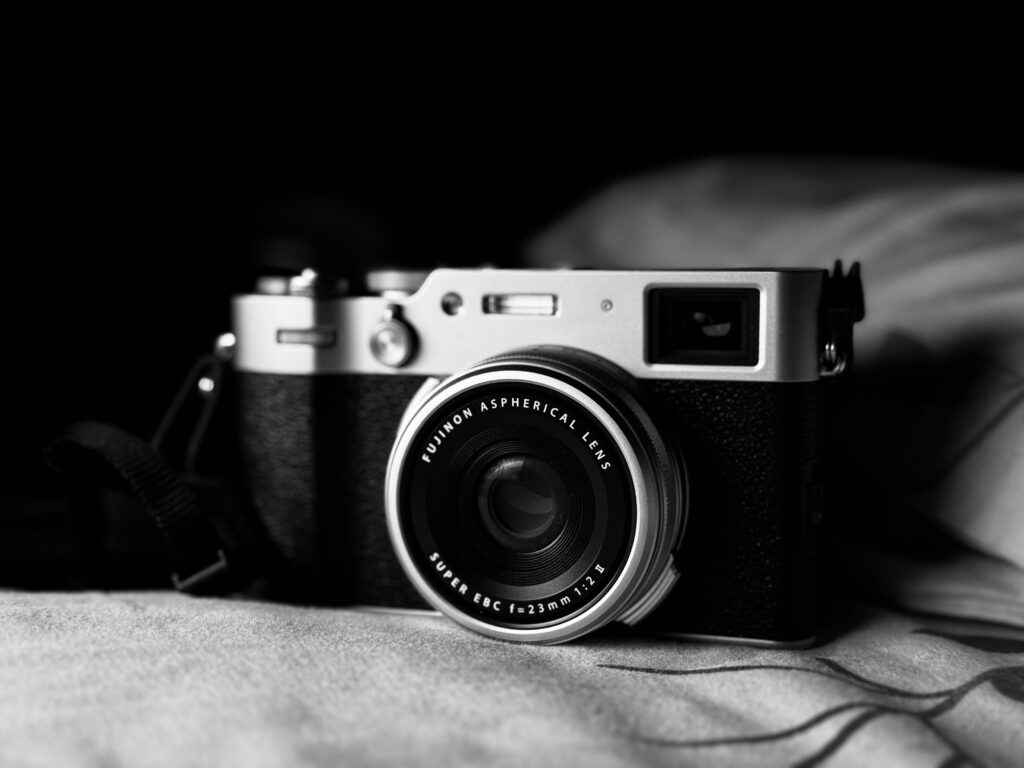
The Canon remains my professional tool. The Fujifilm has become my personal camera. That distinction explains why I continue reaching for it.
Fujifilm X-M5: A More Affordable Entry Point
If you can live without the X100VI’s hybrid viewfinder and fixed-lens design, the Fujifilm X-M5 is worth considering.
It provides access to Fujifilm’s film simulation system in a smaller interchangeable-lens camera. You can choose a lens that matches your preferred field of view rather than being limited to a fixed 23mm lens.
This approach is more flexible, although it does not reproduce the exact shooting experience of the X100VI.
Fujifilm X-T30 III: My Personal Alternative
My personal recommendation beyond the X100VI is the Fujifilm X-T30 III.
Pairing it with a 27mm f/2.8 or 35mm f/2 lens gives you a compact setup with a different shooting experience. The choice depends on whether you prefer a wider everyday view or a tighter composition.
The interchangeable-lens design also makes it easier to adapt the camera to different types of photography.
Fujifilm X-E5: For Interchangeable-Lens Flexibility
The X-E5 is another option worth considering if you want a similar photography-focused experience with interchangeable lenses.
It offers a different approach to portability while retaining much of the Fujifilm shooting experience. However, it does not include the built-in four-stop ND filter that makes the X100VI especially convenient in bright conditions.
For more lens options, take a look at our coverage of Sony’s 400mm and 600mm G Master lenses.
Ultimately, the right camera depends on what you value most: a fixed-lens everyday companion, an interchangeable-lens system, or a more affordable way into Fujifilm’s film simulation ecosystem.
Frequently Asked Questions
1. Is the Fujifilm X100VI worth buying?
The X100VI is worth considering if you value portability, high-resolution image quality, film simulations, and a fixed-lens shooting experience. Its high price and limited lens flexibility are important compromises.
2. What are the main Fujifilm X100VI specifications?
The camera features a 40.2MP APS-C X-Trans CMOS 5 HR sensor, X-Processor 5, fixed 23mm f/2 lens, up to six stops of in-body image stabilization, a four-stop ND filter, and an Advanced Hybrid Viewfinder.
3. How good is the Fujifilm X100VI image quality?
Its 40.2MP sensor delivers detailed images, while Fujifilm’s film simulations provide a wide range of color styles. Custom recipes also allow photographers to create distinctive JPEG images without extensive editing.
4. How long does the Fujifilm X100VI battery last?
Fujifilm rates the battery for approximately 310 frames in normal EVF mode and 450 frames in OVF mode. Actual battery life varies with shooting conditions and camera settings.
5. Does the Fujifilm X100VI have weather sealing?
The camera requires the optional AR-X100 adapter ring and PRF-49 protective filter combination to provide weather resistance. The accessories are sold separately.
6. Fujifilm X100VI vs X100V: What is the biggest difference?
The X100VI introduces a 40.2MP sensor, in-body image stabilization, and the newer X-Processor 5. These improvements make it a more advanced camera than the X100V, although both share the fixed 23mm f/2 lens concept and hybrid viewfinder design.
7. What are the best alternatives to the Fujifilm X100VI?
The Fujifilm X-M5, X-T30 III, and X-E5 are alternatives worth exploring. They offer different combinations of portability, interchangeable lenses, and Fujifilm film simulation features.
Conclusion: A Camera That Makes Photography Enjoyable Again
After more than 17,000 photographs, the Fujifilm X100VI has become much more than a compact camera in my bag. Its 40.2MP sensor, fixed 23mm f/2 lens, six-stop stabilization, built-in ND filter, and hybrid viewfinder create a genuinely enjoyable photography experience.
The film simulations are another major reason I keep using it. Custom recipes make it possible to develop a personal look and spend less time editing. The compact body also encourages me to take photographs during ordinary moments instead of waiting for a planned shoot.
The high price, optional weather-resistance accessories, single card slot, and limited battery life are real compromises. But they have not outweighed the benefits for my style of photography.
The Canon EOS R6 remains my choice for professional assignments. The Fujifilm X100VI is the camera I reach for when I simply want to enjoy taking pictures.
That is ultimately what makes this camera special. It does not just deliver strong image quality. It makes you want to keep shooting.
Photos: Author