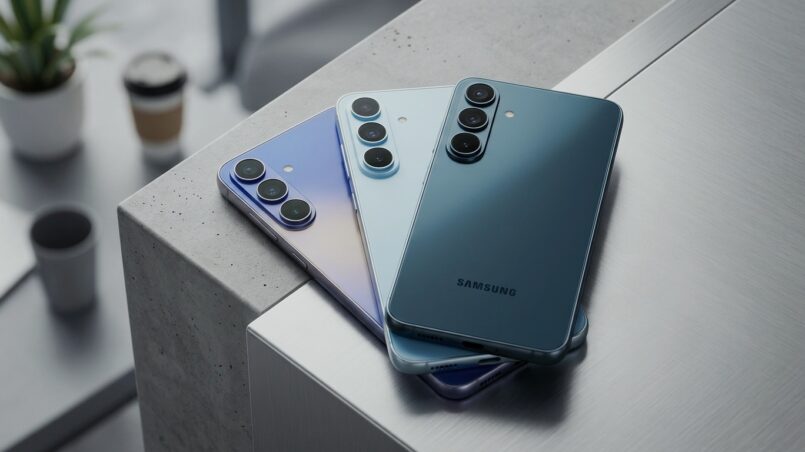
A faster processor, familiar cameras, and the same 128GB starting storage. Samsung’s latest Fan Edition smartphone arrives with a higher price but surprisingly few meaningful hardware changes. The Samsung Galaxy S26 FE costs $699.99, which puts it $50 above the Galaxy S25 FE’s original launch price. For that additional money, buyers get a newer Exynos chipset, updated AI features, and a familiar collection of premium smartphone specifications. However, the display, camera configuration, battery capacity, and base storage remain largely unchanged.
That creates an uncomfortable question for Samsung’s Fan Edition lineup: how much more should buyers pay for a phone that feels so similar to its predecessor?
The Galaxy S26 FE is not necessarily a bad smartphone. Its large AMOLED display, versatile camera setup, and 4,900mAh battery still make it a capable everyday device. The problem is its value proposition. At $699.99, the phone sits closer to Samsung’s flagship territory without delivering a comparable hardware upgrade.
For a closer look at Samsung’s wider smartphone lineup, explore our Samsung phone comparisons.
The Chipset “Upgrade” Doesn’t Close The Real Gap
The Chipset “Upgrade” Doesn’t Close The Real Gap
Samsung has replaced the Galaxy S25 FE’s Exynos 2400 with the Exynos 2500 in the S26 FE. That sounds like a meaningful generational improvement, particularly for buyers who care about gaming, multitasking, and AI-powered features.
Samsung claims the newer processor delivers approximately 15 percent higher CPU performance and a 39 percent faster NPU. Early Geekbench listings also suggest improved performance, with reported results around 2,400 points in single-core testing and approximately 8,000 in multi-core testing.
Those numbers indicate progress. However, a faster processor does not automatically make the S26 FE a better value.
The standard Galaxy S26 belongs to a higher performance category. Depending on the market, Samsung offers its flagship with an Exynos 2600 or Snapdragon 8 Elite Gen 5 for Galaxy. The original comparison reports that these flagship processors can score around 33 percent higher in multi-core testing than the Exynos 2500.
That leaves a noticeable performance gap between Samsung’s Fan Edition and flagship models.
There is another reason the upgrade feels less exciting. Samsung has already used the Exynos 2500 in the Galaxy Z Flip7. In other words, the S26 FE receives a processor that has appeared in an earlier foldable generation rather than a chipset that brings it closer to the newest flagship hardware.
A Faster Chip Is Not the Same as a New Experience
The Exynos 2500 should provide a performance improvement over the previous FE model. However, buyers should consider how much of that improvement they will notice during everyday use.
Social media, messaging, browsing, streaming, and ordinary productivity tasks rarely require flagship-level processing power. The difference becomes more important during demanding games, intensive multitasking, and AI workloads.
That makes the S26 FE’s position difficult to justify. Samsung is charging more while keeping the phone below its flagship performance tier.
Galaxy AI Features Cannot Replace Hardware Improvements
Samsung is also promoting AI-related features such as My FanCam, Horizon Lock, and the wider Galaxy AI experience. These tools add useful software capabilities, particularly for people who frequently capture photos and videos.
However, software features do not replace meaningful hardware improvements. AI branding can make a product feel more advanced, but it does not change the camera sensors, storage capacity, or display technology.
Samsung needs to show buyers that the Fan Edition offers more than a collection of features borrowed from other Galaxy devices. You can explore Samsung’s official Galaxy S26 FE announcement for its feature and hardware details.
128GB Baseline Storage Is Not Acceptable In 2026
The Galaxy S26 FE continues to start with 128GB of internal storage and 8GB of RAM. That configuration may work for casual users, but it feels increasingly restrictive on a smartphone approaching the $700 price category.
Modern phones handle more demanding workloads than previous generations. High-resolution photos, 4K video recordings, large games, offline downloads, and application data can consume storage quickly. AI-powered tools and system updates also contribute to the amount of space users need.
A 128GB phone can still work if someone mainly uses cloud storage and keeps relatively few applications installed. However, buyers who record videos regularly or download large games may find themselves managing available space much sooner than expected.
Samsung offers higher-capacity versions, including 256GB and 512GB options in supported markets. That gives buyers some flexibility, but it also means paying more for storage that many people would reasonably expect at this price.
The problem is not that 128GB has suddenly become unusable. It is that the starting configuration does not feel particularly generous for a premium midrange phone in 2026.
Why 256GB Should Be the Starting Point
A 256GB base configuration would make the S26 FE more attractive for long-term ownership. It would give users additional room for photos, videos, games, and applications without requiring an immediate storage upgrade.
This matters because many people keep their smartphones for several years. Storage requirements rarely decrease over time. Applications grow, camera files become larger, and users accumulate more personal data.
For a phone priced at $699.99, Samsung could have made a stronger impression by increasing the base storage instead of asking customers to pay extra for a more practical configuration.
The company’s official Galaxy S26 FE product specifications provide details about the available hardware and storage configurations.
Everything Else Simply Didn’t Move
Compare the Galaxy S26 FE with the S25 FE, and the similarities become difficult to ignore. The processor is the clearest hardware improvement, but several important specifications remain familiar.
| Specifications | Galaxy S26 FE | Galaxy S25 FE |
|---|---|---|
| Display | 6.7-inch AMOLED, 120Hz, 1,900 nits | 6.7-inch AMOLED, 120Hz, 1,900 nits |
| Rear Cameras | 50MP + 12MP + 8MP (3x) | 50MP + 12MP + 8MP (3x) |
| Base Storage/RAM | 128GB / 8GB | 128GB / 8GB |
| Battery | 4,900mAh | 4,900mAh |
| Wired Charging | 45W | 45W |
| Bluetooth | 5.4 | 5.4 |
| Chipset | Exynos 2500 | Exynos 2400 |
| Launch Price | $699.99 | $649.99 |
Note: The comparison follows the specifications and launch-price information discussed in the original article. Storage options and availability can vary by market.
The table tells most of the story. Samsung has updated the processor, but the other headline specifications remain largely unchanged.
The 6.7-inch AMOLED display still offers a 120Hz refresh rate and up to 1,900 nits of brightness. Those specifications remain competitive for everyday use. Smooth scrolling, vibrant colors, and strong outdoor visibility are all useful qualities.
However, buyers do not get a new display experience simply because Samsung has introduced another model number.
The camera hardware also looks familiar. The 50MP main camera, 12MP ultrawide camera, and 8MP telephoto camera with 3x optical zoom give users a versatile setup. But the same configuration means there is no obvious hardware upgrade for photography enthusiasts.
Battery capacity remains at 4,900mAh, while wired charging stays at 45W. Bluetooth 5.4 also carries over.
None of these specifications is automatically a weakness. A 4,900mAh battery can still deliver practical everyday endurance, and 45W charging remains useful. The concern is that Samsung has not introduced enough improvements to make the S26 FE feel substantially different from its predecessor.
For more smartphone coverage, visit our Phones category and browse our latest technology reviews.
The FE Line Has Lost The Plot
Samsung’s Fan Edition strategy once offered a compelling alternative to expensive flagship smartphones. The Galaxy S20 FE, launched in 2020, became a particularly successful example of that approach. It reportedly sold more than 10 million units by combining popular flagship features with a lower price.
That was the central appeal of the FE brand: buyers could enjoy much of the premium Galaxy experience without paying flagship prices.
The newer generations have made that promise harder to recognize. Prices have increased, while the hardware differences between consecutive models have become less impressive. Instead of introducing meaningful upgrades, Samsung increasingly relies on processor refreshes, software features, and familiar hardware.
The Galaxy S26 FE continues that pattern.
Samsung’s approach appears to prioritize established components and incremental improvements. That can reduce product-development risks and help maintain a predictable product lineup. However, customers do not purchase a smartphone based on a manufacturer’s internal strategy. They compare prices, specifications, performance, and long-term value.
The S26 FE may still offer a dependable everyday experience. Its display, camera arrangement, and battery capacity cover the basics. But those qualities alone do not make it an exciting upgrade over the S25 FE.
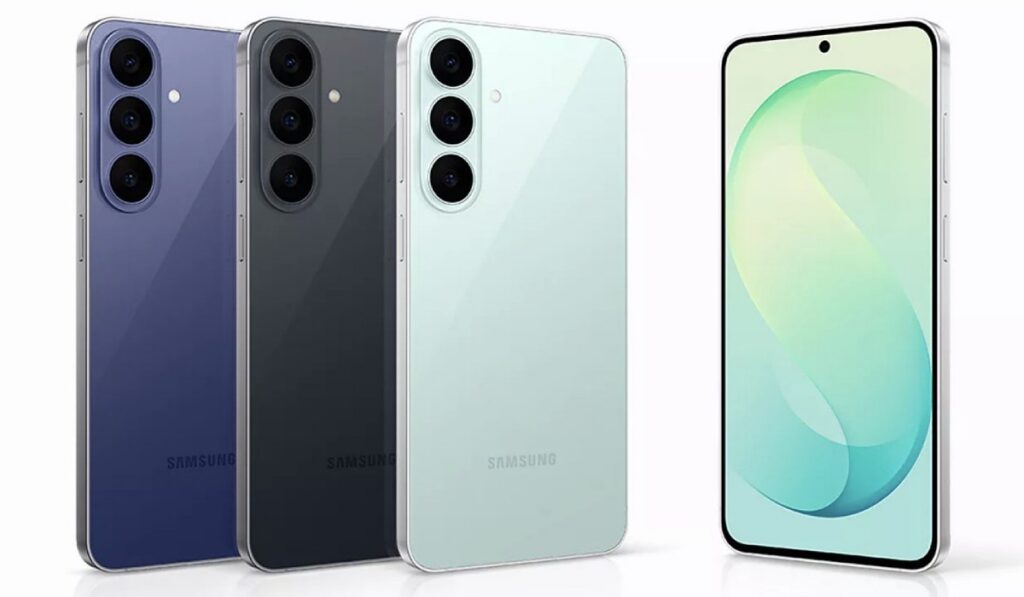
A Fan Edition smartphone should feel like a smart compromise. Buyers should understand exactly what they gain by choosing it instead of a more expensive flagship.
When the price increases but the hardware barely changes, that distinction becomes harder to explain.
Samsung’s Galaxy smartphone lineup includes several devices competing for buyers with different budgets. The FE series needs a stronger identity if it wants to stand out in that crowded market.
What Would Have Made This A Winner
The Galaxy S26 FE did not need a complete redesign to become a more attractive smartphone. Samsung could have improved its value with a few targeted hardware decisions.
The most important change would have been a more competitive processor. Giving the Fan Edition the same Snapdragon 8 Elite Gen 5 for Galaxy platform used in the U.S. Galaxy S26 would have made the performance story considerably stronger.
That change could have helped close the gap between the FE and the flagship lineup. It would also have given buyers a more compelling reason to choose the S26 FE at its $699.99 starting price.
More base storage would have made an equally practical difference. A 256GB starting configuration would better reflect the expectations of people purchasing a premium smartphone in 2026.
Samsung could also have improved the camera experience. Even a meaningful sensor or image-processing upgrade would have given photography enthusiasts a reason to consider the newer model.
A display improvement would have helped too, although the existing 120Hz AMOLED panel remains a capable part of the package.
The point is not that Samsung needed to change every component. It needed to deliver at least a few improvements that customers could notice and appreciate.
Instead, buyers receive a newer chipset, additional software features, and a higher launch price. That is not enough to make the S26 FE an obvious winner.
Is the Samsung Galaxy S26 FE Worth Buying?
The answer depends on what you expect from a $699.99 smartphone.
The Galaxy S26 FE has several strengths. Its large AMOLED display, 120Hz refresh rate, versatile triple-camera arrangement, and 4,900mAh battery make it suitable for everyday use. The Exynos 2500 also provides a newer processor than the one found in the previous FE generation.
However, the phone becomes less appealing when you compare it directly with the S25 FE and Samsung’s flagship models.
If you already own the S25 FE, the S26 FE does not appear to offer enough hardware improvements to justify an immediate upgrade. The familiar camera setup, unchanged battery capacity, and identical base storage make the generational difference relatively small.
Buyers coming from an older smartphone may find more reasons to consider it. They can benefit from the newer processor, modern Galaxy software experience, and large display. Even then, the starting price deserves careful consideration.
The Galaxy S26 FE review from TechRadar also examines the phone’s strengths and compromises, offering another perspective on its value.
Before purchasing, compare the Galaxy S26 FE specifications on PhoneArena with the alternatives available in your market. Local pricing, storage configurations, and promotional discounts can change which model makes the most sense.
Frequently Asked Questions
1. What is the Samsung Galaxy S26 FE price?
The Samsung Galaxy S26 FE starts at $699.99 in the United States. That is $50 more than the Galaxy S25 FE’s original $649.99 launch price. Higher storage configurations cost more.
2. What processor does the Galaxy S26 FE use?
The Galaxy S26 FE uses Samsung’s Exynos 2500 processor. It replaces the Exynos 2400 found in the Galaxy S25 FE and is intended to provide improved CPU and AI performance.
3. What are the Galaxy S26 FE camera specifications?
The phone features a 50MP main camera, a 12MP ultrawide camera, and an 8MP telephoto camera with 3x optical zoom. The front camera uses a 12MP sensor.
4. Does the Samsung Galaxy S26 FE have 128GB storage?
Yes. The base configuration starts with 128GB of internal storage and 8GB of RAM. Samsung also offers higher storage configurations, although availability depends on the market.
5. Galaxy S26 FE vs S25 FE: Is the upgrade worth it?
The S26 FE offers a newer Exynos 2500 processor and updated software features. However, the camera setup, battery capacity, display specifications, and base storage remain similar. Most S25 FE owners may not find enough reason to upgrade.
6. Galaxy S26 FE vs S26: Which one should buyers choose?
The Galaxy S26 FE targets buyers who want a lower-priced Samsung smartphone with selected flagship-style features. The standard Galaxy S26 belongs to a higher performance category. Buyers should compare processor performance, camera capabilities, storage, and local prices before choosing.
7. When was the Galaxy S26 FE released?
Samsung announced the Galaxy S26 FE in 2026. Its availability began in select markets in September 2026, with exact dates depending on the region and retailer.
Conclusion: The Galaxy S26 FE Needed More Than A Chip Upgrade
The Samsung Galaxy S26 FE is a capable smartphone, but its value proposition is difficult to defend at $699.99. The Exynos 2500 provides a useful performance improvement, and Samsung’s AI features add some software appeal. However, the unchanged camera hardware, familiar display, 128GB starting storage, and 4,900mAh battery make this generation feel unusually conservative.
Samsung had an opportunity to make the Fan Edition lineup exciting again. A stronger processor, more base storage, or meaningful camera improvements could have justified the higher price.
Instead, the S26 FE feels like a small update carrying a bigger price tag. For existing S25 FE owners, upgrading is difficult to recommend. For new buyers, the phone deserves consideration, but only after comparing it with the standard Galaxy S26 and other smartphones in the same price range.
The FE formula still has potential. Samsung simply needs to give buyers a more convincing reason to choose it.
Feature Photo: Joseph Maldonado/CNET
Article Photo: Samsung